

Click-through rate (CTR) is a key metric in digital marketing that measures the percentage of people who click on a link out of the total number of people who view it. For architecture firms, CTR provides insights into how effectively their marketing messages engage potential clients, from social media posts to paid ads and email campaigns. High CTRs indicate that the audience finds the content compelling and relevant, which is crucial for driving traffic to the firm’s website, generating leads, and building brand awareness.
This article will explore what CTR means for architecture firms, why it matters, how to calculate it, and effective strategies to optimize CTR in various marketing channels.
Table of Contents
- Understanding Click-Through Rate (CTR)
- How to Calculate CTR
- Importance of CTR for Architecture Firms
- Factors Affecting CTR in Architecture Firm Marketing
- CTR Benchmarks for Common Marketing Channels
- Strategies to Improve CTR
- Conclusion
1. Understanding Click-Through Rate (CTR)
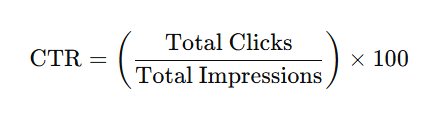
Click-through rate (CTR) is calculated as the ratio of clicks to impressions, expressed as a percentage. In the context of architecture firm marketing, CTR can measure the effectiveness of:
- Email Campaigns: The number of recipients who clicked a link in the email relative to the total recipients who opened it.
- Social Media Ads: The number of users who clicked on an ad or promoted post versus the total number of users who viewed it.
- Pay-Per-Click (PPC) Ads: The number of people who clicked on a PPC ad compared to the total impressions the ad received.
A high CTR indicates that the content or message resonates with the target audience and drives engagement.
2. How to calculate Click-Through Rate (CTR)
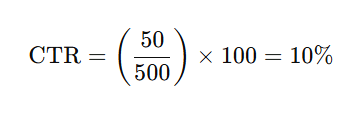
For instance, if a social media ad for an architecture firm receives 500 impressions and 50 clicks, the CTR would be:
3. Importance of CTR for Architecture Firms
CTR is a valuable performance indicator for architecture firms, as it provides insights into the effectiveness of their marketing campaigns. Here are some reasons why CTR is important:
- Audience Engagement: CTR reflects the audience’s interest level in the firm’s content, services, or brand. Higher CTRs indicate that the message is relevant and engaging to potential clients.
- Campaign Effectiveness: Tracking CTR allows firms to assess the performance of specific campaigns, helping them identify which ads, emails, or posts are most successful at driving clicks.
- Cost-Effectiveness: For pay-per-click (PPC) ads, a high CTR can reduce the overall cost of the campaign. Ad platforms like Google Ads may reward high CTRs with better ad placements and lower costs.
- Lead Generation and Conversion: A strong CTR is often the first step in the conversion funnel. By attracting more clicks, firms increase their chances of generating leads and converting them into clients.
- Optimizing Marketing Spend: CTR data helps firms understand where to allocate their marketing budget, focusing on channels and messages that yield the most engagement.
4. Factors Affecting CTR in Architecture Firm Marketing
Several factors can influence CTR in architecture firms’ marketing campaigns. Understanding these factors can help firms improve engagement and increase the likelihood of clicks:
4.1 Relevance of the Content
Content that aligns with the audience’s needs and interests tends to have higher CTRs. For instance, an ad showcasing modern residential designs may appeal to homeowners looking to build or renovate.
4.2 Ad or Content Quality
High-quality, visually appealing images and well-written copy are essential for grabbing attention and encouraging clicks. Architecture firms can showcase eye-catching visuals, such as photos of completed projects, to boost CTR.
4.3 Call-to-Action (CTA)
A strong, clear call-to-action (CTA) encourages viewers to take the next step. CTAs like “See Our Portfolio,” “Get a Free Consultation,” or “Learn More” can help boost CTR by providing direction and creating a sense of urgency.
4.4 Targeting and Audience Segmentation
Ads or emails directed at the right audience are more likely to receive clicks. Using audience segmentation based on demographics, interests, and behavior helps firms reach individuals who are more likely to engage.
4.5 Platform and Format
CTR varies by platform and ad format. For instance, visually-driven platforms like Instagram or Pinterest may yield higher CTRs for architecture firms compared to text-heavy platforms, as architecture relies heavily on visual appeal.
4.6 Ad Position and Placement
On search engines and social media, ads placed higher or in prominent positions tend to have better CTRs. Positioning can be optimized through bids and targeting to maximize visibility.
5. CTR Benchmarks for Common Marketing Channels
CTR benchmarks vary by platform and industry. Here’s a rough guideline for architecture firms:
- Google Ads (Search): 2-5%
- Social Media Ads (Facebook, Instagram, LinkedIn): 0.9-2.5%
- Email Marketing: 2-5%
- Display Ads: 0.5-1%
Architecture firms can aim for these benchmarks while continuously optimizing for improvements.
6. Strategies to Improve CTR
Architecture firms can adopt several strategies to enhance CTR across their marketing campaigns:
6.1 Use High-Quality Visuals
Architecture is a visually-driven field. Using professional photos, renderings, and video content showcasing completed projects or design processes can help attract clicks.
6.2 Craft Engaging, Client-Focused Headlines
Create attention-grabbing headlines and ad copy that resonate with the target audience’s needs and interests. For example, “See Our Award-Winning Sustainable Designs” might appeal to environmentally conscious clients.
6.3 Include a Strong Call-to-Action (CTA)
Clear and action-oriented CTAs guide users on the next step. Use phrases like “Get a Free Estimate,” “View Project Gallery,” or “Schedule a Consultation” to encourage clicks.
6.4 Target the Right Audience
Use demographic and behavioral targeting to reach the most relevant audience segments. Architecture firms may focus on specific client types (e.g., commercial developers or residential homeowners) to maximize engagement.
6.5 Optimize Landing Pages
Ensure the landing page that follows the ad click is optimized for user experience. Pages should be easy to navigate, load quickly, and be directly related to the ad’s content.
6.6 Test Ad Variations (A/B Testing)
A/B testing allows firms to experiment with different ad variations to see which version yields the highest CTR. Test headlines, visuals, and CTAs to optimize for the best performance.
6.7 Leverage Retargeting Ads
Retargeting ads help reach users who have previously visited the website but did not convert. Retargeting keeps the firm top-of-mind and increases the likelihood of return visitors clicking.
6.8 Utilize Mobile Optimization
Mobile-friendly ads and emails are essential, as many users browse content on mobile devices. Ensure that visuals, text, and CTAs are optimized for mobile screens to improve CTR.
6.9 Showcase Social Proof
Using client testimonials, project success stories, and awards can boost credibility and encourage users to click on the ad or email link.
7. Conclusion
Click-through rate (CTR) is a fundamental metric in digital marketing for architecture firms, providing insights into how effectively marketing messages resonate with potential clients. A high CTR indicates that the content is compelling, relevant, and engaging, driving users to explore further. By monitoring and optimizing CTR, architecture firms can improve their client acquisition process, maximize their marketing ROI, and better allocate resources to high-performing campaigns.
Improving CTR requires a focus on high-quality visuals, clear messaging, precise audience targeting, and optimized landing pages. By applying these strategies and continuously testing ad variations, architecture firms can enhance engagement and drive more potential clients to take action, ultimately contributing to the firm’s growth and success.
