
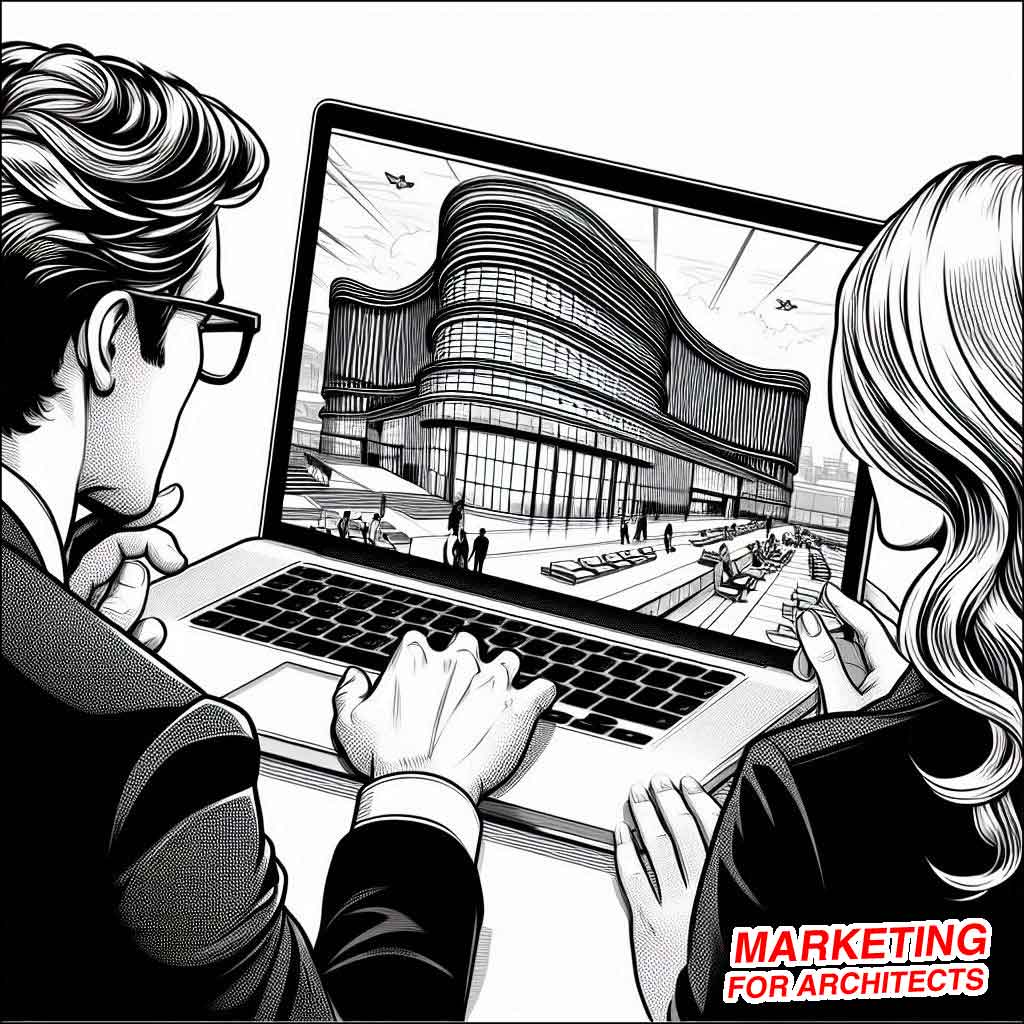
Branding is a fundamental part of marketing for architects and architecture firms. It’s about more than just a logo or a catchy slogan; it’s the visual and emotional story your firm tells through every interaction with your audience. Central to this branding is the effective use of imagery and graphics.
Architecture is a highly visual field. People make decisions based on how a building looks, the feeling a design evokes, or the details that set a project apart. As such, your brand’s visual assets are crucial in communicating your firm’s design philosophy, expertise, and unique identity. In this article, we’ll explore the role of imagery and graphics in architecture branding, how to create an impactful visual brand, and strategies to use imagery effectively across different platforms.
1. The Role of Imagery in Branding for Architects and Architecture firms
Imagery is a powerful tool in establishing a strong brand presence. In the architecture industry, visuals are the first point of contact between your work and your audience, setting the tone for how your firm is perceived. Here’s why imagery is essential:
A. First Impressions Matter
- Captivating Visuals: The first time someone encounters your firm might be through your website, social media, or an online portfolio. High-quality imagery of your projects can create a lasting impression and draw people in.
- Establishing Credibility: Professional imagery conveys a sense of quality and attention to detail, reinforcing the perception that your firm is capable of delivering exceptional results.
B. Communicating Your Design Philosophy
- Visual Storytelling: Images can tell the story of a project from concept to completion, showcasing your design process and the thought behind each element.
- Showcasing Diversity: If your firm specializes in various architectural styles or types of projects (e.g., residential, commercial, institutional), well-curated imagery can demonstrate your versatility and expertise.
C. Emotional Connection
- Evoking Emotions: Architecture often evokes feelings of awe, comfort, or curiosity. The right imagery can elicit these emotions, making your work more memorable and impactful to potential clients.
- Human-Centric Design: Images of people interacting with your spaces can show how your designs improve lives and create community, adding an emotional layer to your projects.
2. Types of Imagery and Graphics for Architecture Branding
The imagery and graphics you use in your branding should be thoughtfully selected to align with your firm’s vision and brand identity. Here are some key types:
A. Project Photography
- Professional Photography: Invest in professional photography to capture the essence of your projects. High-resolution images that highlight details, lighting, and context are essential.
- Drone Photography: Aerial shots can provide unique perspectives of larger projects or show how a building integrates into its surroundings.
- Before-and-After Comparisons: These are particularly effective for renovation or transformation projects, showcasing your impact as an architect.
B. Architectural Renderings and Visualizations
- 3D Renderings: Use realistic 3D visualizations to present unbuilt projects or conceptual designs. These graphics can be used in proposals, marketing materials, and on your website to communicate your vision.
- Conceptual Sketches: Sharing hand-drawn sketches or digital illustrations can give an insight into your design process and show the evolution from concept to reality.
C. Graphic Elements and Infographics
- Infographics: Use infographics to explain complex architectural concepts, design statistics, or sustainable features of your projects. These can be shared on social media or in educational content.
- Custom Icons and Illustrations: Develop custom icons or illustrations that align with your brand, such as icons representing different types of buildings or design elements.
D. Branding Graphics
- Logo Design: Your logo should reflect your firm’s design sensibilities, whether modern, classic, or innovative. It should be memorable, scalable, and consistent with your overall branding.
- Brand Colors and Typography: Use a cohesive color palette and typography that reflect your firm’s identity. For example, a firm specializing in eco-friendly architecture might use earthy tones and organic shapes.
3. Strategies for Using Imagery and Graphics Effectively
Creating and using impactful imagery and graphics requires strategy. Here’s how to maximize their impact:
A. Maintain Consistency
- Brand Style Guide: Develop a style guide that outlines the use of colors, typography, image filters, and graphic elements. This ensures consistency across all platforms, from your website to printed brochures.
- Uniform Image Quality: Use images of consistent quality and resolution. Whether it’s project photos or graphics, the visual experience should be cohesive.
B. Optimize Images for Different Platforms
- Website Optimization: Ensure images are optimized for web use to avoid slow loading times. Use image compression tools to maintain quality while reducing file size.
- Social Media Formats: Adapt your images for different social media platforms. For instance, use portrait-oriented images for Instagram Stories and landscape formats for Facebook and LinkedIn.
C. Tell a Visual Story
- Create Photo Series: When showcasing a project, use a series of photos that take viewers on a journey, from exterior shots to interior details and user interactions.
- Thematic Campaigns: Develop campaigns around themes, such as sustainability or urban design, using cohesive imagery and graphics to reinforce your message.
4. The Benefits of High-Quality Imagery in Marketing
Using high-quality imagery and graphics in your marketing efforts can have several benefits for your architecture firm:
A. Enhanced Online Presence
- Website Appeal: A visually appealing website with striking imagery can keep visitors engaged longer and reduce bounce rates.
- Social Media Engagement: Posts with high-quality visuals are more likely to be shared and commented on, increasing your firm’s visibility and reach.
B. Improved Client Communication
- Clarifying Design Intent: Visuals can help clients better understand your concepts, making meetings more productive and ensuring expectations are aligned.
- Interactive Presentations: Use visual aids in your presentations to make a compelling case for your design solutions.
C. Competitive Advantage
- Standing Out: In a crowded market, exceptional imagery can set your firm apart from competitors. Showcasing your unique style and signature projects visually can make a lasting impression.
- Winning More Projects: Clients are often drawn to firms that present their work attractively and clearly, which can lead to more inquiries and project wins.
5. Best Practices for Creating and Selecting Imagery
Choosing the right imagery is an art in itself. Here are some best practices:
A. Invest in Professional Photography and Videography
- Work with Specialists: Hire photographers and videographers who specialize in architecture. They understand how to capture the scale, lighting, and nuances of your designs.
- Capture Different Perspectives: Get a variety of shots, including wide angles, detail shots, and context images that show the relationship between the building and its surroundings.
B. Use Graphics to Complement, Not Compete
- Balance Visuals: Ensure that graphics like infographics or icons don’t overshadow the architectural imagery. They should enhance the visual experience, not distract from it.
- Simple and Clean Design: Keep your graphic elements minimalistic and aligned with your architectural style. For example, a firm focused on minimalist design might use clean lines and neutral colors in their graphics.
C. Leverage User-Generated Content
- Client and User Photos: Encourage clients or building users to share their own photos of your projects. Reposting these can add authenticity to your brand.
- Community Engagement: Host photo contests or ask for feedback on design concepts, encouraging your audience to engage and contribute content.
6. Platforms and Tools for Effective Visual Branding
To create and manage your imagery and graphics, consider using these platforms and tools:
A. Design Software
- Adobe Creative Suite: Industry-standard software for photo editing (Photoshop), vector graphics (Illustrator), and layout design (InDesign).
- SketchUp and 3ds Max: For creating 3D renderings and visualizations of your projects.
B. Online Platforms for Showcasing Work
- Instagram and Pinterest: Ideal for sharing visually stunning images of your projects, design inspiration, and behind-the-scenes content.
- Houzz: A platform dedicated to home improvement and design, where you can showcase your residential projects and connect with potential clients.
C. Content Management and Scheduling Tools
- Canva: A user-friendly tool for creating social media graphics, infographics, and marketing materials.
- Later: A social media scheduling tool that helps you plan and automate your visual content posts.
7. Case Studies: Successful Use of Imagery and Graphics in Branding
Looking at how other architecture firms have successfully used imagery can inspire your strategy:
A. Example 1: The Modern Minimalist Firm
- Visual Identity: This firm uses a monochromatic color palette, sleek typography, and minimalist graphics. Their social media is filled with crisp, clean images of their projects, highlighting the use of space and light.
- Result: Their consistent branding has made them instantly recognizable, attracting clients who appreciate modern design.
B. Example 2: The Sustainability-Centric Firm
- Visual Storytelling: This firm focuses on sustainability, using earthy colors and images of green spaces. They share infographics about energy efficiency and photos of eco-friendly materials used in their projects.
- Result: Their audience, which includes environmentally conscious developers and clients, engages actively, driving inquiries for sustainable design projects.
Conclusion
Imagery and graphics are indispensable components of a successful branding strategy for architects and architecture firms. They communicate your design philosophy, establish your credibility, and engage potential clients on an emotional level. By investing in high-quality visuals and using them strategically across platforms, your firm can build a strong brand identity and stand out in the competitive architecture market.
Remember, in architecture, where the visual aspect reigns supreme, your imagery must be as thoughtful and well-crafted as your designs. A powerful visual brand can open doors to new opportunities, attract the right clients, and position your firm as a leader in the field.
